
personalpaper

Climate Physical Risk

Monday, November 2, 2026

Top stories

  1. UN-backed report finds even a brief 1.5C overshoot does lasting damage to the world's iceTrends and outlooksA report by 80 scientists convened by the International Cryosphere Climate Initiative and the UN Environment Programme, led by glaciologist James Kirkham, finds that even a temporary overshoot of 1.5C does largely permanent damage to glaciers, ice sheets, sea ice and permafrost, and calls the idea that 2C or 3C is manageable a myth.
  2. Aon puts losses from windstorms Austen and Boelo in the hundreds of millions of eurosInsurance and risk transferAon's Impact Forecasting estimates that windstorms Austen and Boelo, which crossed Western Europe between 22 and 25 October and opened the 2026–27 season, will cause economic and insured losses in the hundreds of millions of euros, with France expected to bear the largest share, ahead of the UK and Germany.
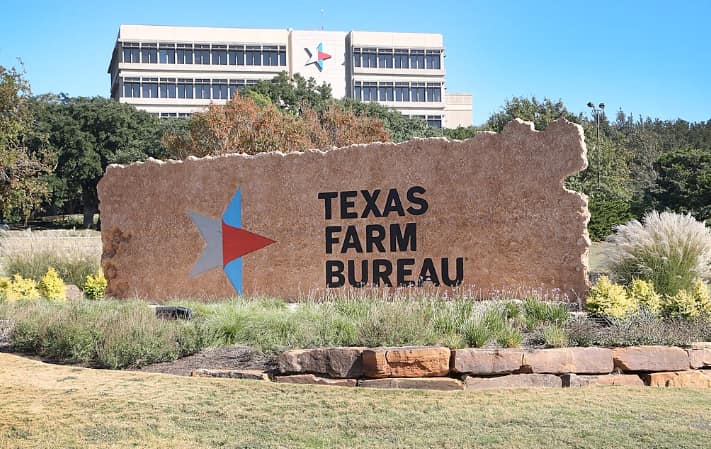
  3. Texas Farm Bureau seeks $250m of named-storm cover in a cheaper, lower-attaching cat bondInsurance and risk transferTexas Farm Bureau Insurance Companies is back in the catastrophe bond market for its second deal, Fish Pond Re 2026-1, seeking $250 million of Texas named-storm reinsurance on an indemnity, per-occurrence basis for four years to the end of 2030, Artemis reports.
UN-backed report finds even a brief 1.5C overshoot does lasting damage to the world's iceA report by 80 scientists convened by the International Cryosphere Climate Initiative and the UN Environment Programme, led by glaciologist James Kirkham, finds that even a temporary overshoot of 1.5C does largely permanent damage to glaciers, ice sheets, sea ice and permafrost, and calls the idea that 2C or 3C is manageable a myth.
the Guardian · Nov 2 · photo: the Guardian

A report by 80 scientists convened by the International Cryosphere Climate Initiative and the UN Environment Programme, led by glaciologist James Kirkham, finds that even a temporary overshoot of 1.5C does largely permanent damage to glaciers, ice sheets, sea ice and permafrost, and calls the idea that 2C or 3C is manageable a myth. Under current policies, glacier mass falls below 10% of today's in the Rockies, Alps, Iceland and Scandinavia, against 20 to 35% at 1.5C, and the Hindu Kush Himalaya, which supplies water to nearly a quarter of humanity, keeps 41% of its ice against 83%. Greenland and Antarctica are losing ice about six times faster than in the 1990s, and the authors put a safe long-term limit for the ice sheets near 1.0C, which means bringing warming back down from today's 1.3C. The Guardian reports it as leaders gather for COP31.

Insurance and risk transfer2 stories

Aon puts losses from windstorms Austen and Boelo in the hundreds of millions of eurosAon's Impact Forecasting estimates that windstorms Austen and Boelo, which crossed Western Europe between 22 and 25 October and opened the 2026–27 season, will cause economic and insured losses in the hundreds of millions of euros, with France expected to bear the largest share, ahead of the UK and Germany.
ReinsuranceNe.ws · Nov 2 · photo: ReinsuranceNe.ws

Aon's Impact Forecasting estimates that windstorms Austen and Boelo, which crossed Western Europe between 22 and 25 October and opened the 2026–27 season, will cause economic and insured losses in the hundreds of millions of euros, with France expected to bear the largest share, ahead of the UK and Germany. Austen gusted to 111 mph at Padstow in Cornwall and cut power to almost 300,000 French homes at its peak; Boelo's rain fell on ground Austen had saturated, and storm surge flooded town centres such as Largs on Scotland's west coast. The two storms were linked to at least four deaths.

Texas Farm Bureau seeks $250m of named-storm cover in a cheaper, lower-attaching cat bondTexas Farm Bureau Insurance Companies is back in the catastrophe bond market for its second deal, Fish Pond Re 2026-1, seeking $250 million of Texas named-storm reinsurance on an indemnity, per-occurrence basis for four years to the end of 2030, Artemis reports.
Artemis.bm · Nov 2 · photo: Artemis.bm

Texas Farm Bureau Insurance Companies is back in the catastrophe bond market for its second deal, Fish Pond Re 2026-1, seeking $250 million of Texas named-storm reinsurance on an indemnity, per-occurrence basis for four years to the end of 2030, Artemis reports. One $125 million tranche attaches at $325 million of losses with guidance of 3 to 3.5%, the other at $825 million with guidance of 2.25 to 2.75%; its 2023 debut attached at $1.25 billion and paid a 4% spread. Artemis attributes the lower multiples to a reinsurance market much softer than the hard market of late 2023.

Why it matters: The insurer is buying protection far lower in its loss tower at lower prices, a sign of how much cheaper hurricane capital has become.

Property and communities1 story

Grist finds rising insurance and disaster losses turning homeownership into a trap in exposed placesGrist's Kate Yoder reports that 58% of likely voters, including 42% of Republicans, told a Grist and Data for Progress poll that climate change will hinder their ability to reach the American Dream over the next 20 years.
Grist · Nov 2 · photo: Grist

Grist's Kate Yoder reports that 58% of likely voters, including 42% of Republicans, told a Grist and Data for Progress poll that climate change will hinder their ability to reach the American Dream over the next 20 years. The piece draws on First Street's projection that climate risk could cut nearly $1.5 trillion from U.S. home values by 2055 and on western North Carolina after Helene, where about 4% of more than 74,000 damaged homes carried flood insurance, leaving $9.5 billion of uninsured residential losses, and Asheville's average home price fell 5% in a year against a 1.2% national rise, per Zillow.

From the desk

Run: degraded; 52 of 54 feeds fetched, 124 items in window, 4 stories kept, 14 repeats dropped. This is the morning run; the 17:05 ET run is the day's edition.

Degraded sources: Insurance Journal National (connection timeout) and Nature Sustainability (HTTP 429).

Proposals: NBER's new working papers feed brought 23 items this morning, none in scope; consider dropping it or narrowing it to the environment and energy program.