personalpaper

Climate Physical Risk

Friday, October 23, 2026

Top stories

  1. Flooding across the Four Corners forces rooftop rescues and emergency declarationsWeather volatilityFlooding on Friday cut roads and forced water rescues, some from rooftops, across Colorado, New Mexico, Arizona and Utah, the Guardian reports; about 600 households in Farmington, New Mexico, were told to evacuate and at least one person was injured.
  2. Attribution study finds warming outweighed El Niño in Hurricane Polo's rapid strengtheningWeather volatilityWorld Weather Attribution found that climate change made the ocean conditions behind Hurricane Polo's rise to Category 5 in the eastern Pacific about 23 times more likely and its potential intensity about 5 m/s stronger, against about 14 times and 4.2 m/s for El Niño; sea surfaces along the track were about 1.4C above pre-industrial levels.
  3. UK firefighters tell MPs water shortages let wildfires spread after the hottest summerWaterFire chiefs told the Commons environment committee that limited water supplies let wildfires grow faster during the UK's hottest summer on record, the Guardian reports; at one Stourbridge fire that destroyed homes, refilling a water carrier took almost 40 minutes because of low pressure.

Weather volatility7 stories

Flooding across the Four Corners forces rooftop rescues and emergency declarationsFlooding on Friday cut roads and forced water rescues, some from rooftops, across Colorado, New Mexico, Arizona and Utah, the Guardian reports; about 600 households in Farmington, New Mexico, were told to evacuate and at least one person was injured.
The Guardian · Oct 23 · photo: The Guardian

Flooding on Friday cut roads and forced water rescues, some from rooftops, across Colorado, New Mexico, Arizona and Utah, the Guardian reports; about 600 households in Farmington, New Mexico, were told to evacuate and at least one person was injured. Colorado's governor declared a disaster emergency in 11 south-western counties and deployed the National Guard, and Hurricane, Utah, declared a state of emergency after about 80 homes and 50 RVs were flooded. A National Weather Service meteorologist said it was the third or fourth round of such moisture in as many weeks, on ground saturated by two months of rain that ended a summer of drought.

Attribution study finds warming outweighed El Niño in Hurricane Polo's rapid strengtheningWorld Weather Attribution found that climate change made the ocean conditions behind Hurricane Polo's rise to Category 5 in the eastern Pacific about 23 times more likely and its potential intensity about 5 m/s stronger, against about 14 times and 4.2 m/s for El Niño; sea surfaces along the track were about 1.4C above pre-industrial levels.
World Weather Attribution · Oct 15

World Weather Attribution found that climate change made the ocean conditions behind Hurricane Polo's rise to Category 5 in the eastern Pacific about 23 times more likely and its potential intensity about 5 m/s stronger, against about 14 times and 4.2 m/s for El Niño; sea surfaces along the track were about 1.4C above pre-industrial levels. Polo hit Baja California Sur and Sonora in late September; reported deaths were four in Jalisco floods and one in Sonora, and about 1,000 people were evacuated in New Mexico over a dam. The authors said the storm's weakening before landfall in sparsely populated areas was luck, citing Hurricane Otis's estimated $16 billion in damage at Acapulco in 2023.

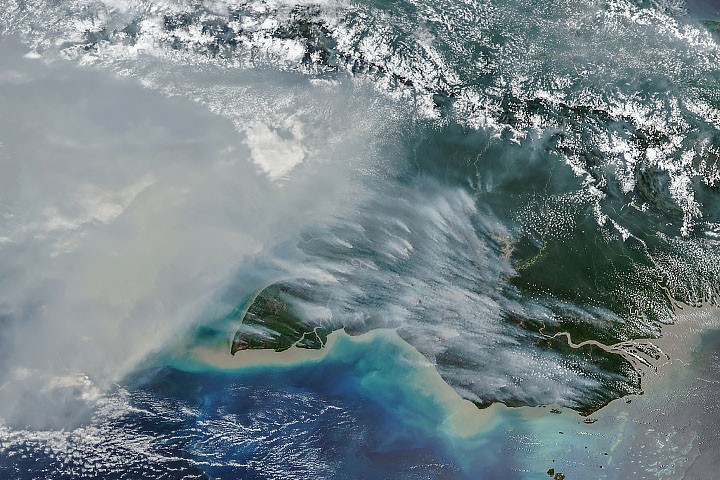
Drought-driven fires in Papua New Guinea head for a record year of emissionsFires in Papua New Guinea released nearly 32 megatons of carbon by 17 October, more than in any previous year at that date, and Indonesian Papua passed 35 megatons, its third-highest on record, NASA Earth Observatory reports from Global Fire Emissions Database estimates.
NASA Earth Observatory · Oct 22 · photo: NASA Earth Observatory

Fires in Papua New Guinea released nearly 32 megatons of carbon by 17 October, more than in any previous year at that date, and Indonesian Papua passed 35 megatons, its third-highest on record, NASA Earth Observatory reports from Global Fire Emissions Database estimates. The fires, mostly set for clearing and spreading in a strong El Niño drought, follow more than 90 days without rain in PNG's Trans-Fly region and rainfall of 5 to 10 percent of normal since August; smoke has cancelled flights and closed schools, and the fires are expected to burn until the wet season in early November.

Earlier today 4
Study estimates summer heat killed 50,000 in European cities, two-thirds from climate changeA rapid peer-reviewed study modelled about 50,000 heat deaths across 854 European cities from June to August, nearly twice the toll of the next deadliest years this century, and attributed about 32,000 of them, roughly 65%, to human-caused warming; at the start of the century the climate share was about 40%.
The Guardian · Oct 23 · photo: The Guardian

A rapid peer-reviewed study modelled about 50,000 heat deaths across 854 European cities from June to August, nearly twice the toll of the next deadliest years this century, and attributed about 32,000 of them, roughly 65%, to human-caused warming; at the start of the century the climate share was about 40%. Malta, Italy and Hungary had the highest death rates, Naples was the hardest-hit city at 815 deaths per million, and the UK estimate is 4,354. The figures come from historical heat-mortality relationships applied to this summer's temperatures, so they are not counts of recorded deaths, a caveat an independent Madrid epidemiologist raised in the Guardian.

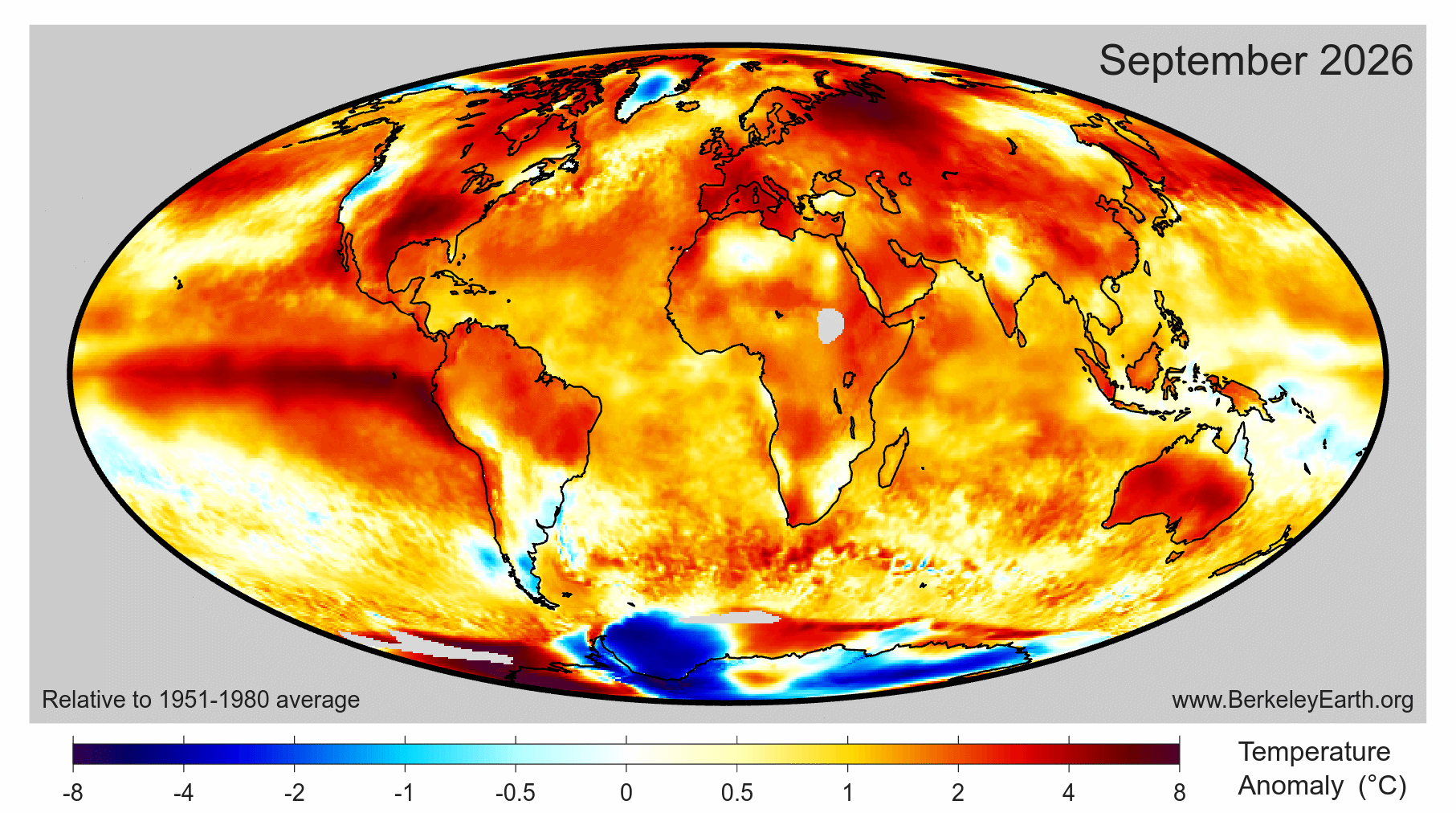
Berkeley Earth puts 96% odds on 2026 as the warmest year, with El Niño at record strengthBerkeley Earth's September update gives 2026 about a 96% chance of becoming the warmest year on record, up from 12% in January, with an annual anomaly near 1.50 to 1.60°C above preindustrial and almost certainly above 1.5°C.
Berkeley Earth · Oct 22 · photo: Berkeley Earth

Berkeley Earth's September update gives 2026 about a 96% chance of becoming the warmest year on record, up from 12% in January, with an annual anomaly near 1.50 to 1.60°C above preindustrial and almost certainly above 1.5°C. September was the second-warmest on land but set a clear ocean record, and 53 countries set national September records. The Niño 3.4 index reached about 2.9°C in September, beating 2015 and 1877, and models put the peak near 4°C, most likely in December; Berkeley Earth notes the event looks similar to past very strong ones once ocean warming is adjusted for.

Why it matters: A record El Niño peaking in winter sets the season's weather and water outlook across the Americas, from a possibly wet California winter to drought risk elsewhere.

Storm Austen cuts power to 19,000 UK homes as Storm Boelo followsThe season's first named storm left more than 19,000 homes in southern England and Wales without power on Friday, with gusts of 84mph in Jersey, fallen trees blocking rail lines and roads, ferry and flight cancellations, and school closures across the Channel Islands.
BBC News · Oct 23 · photo: BBC News

The season's first named storm left more than 19,000 homes in southern England and Wales without power on Friday, with gusts of 84mph in Jersey, fallen trees blocking rail lines and roads, ferry and flight cancellations, and school closures across the Channel Islands. Part of Brighton's ruined West Pier collapsed into the sea. Storm Boelo follows on Saturday under a Met Office amber warning for much of Scotland and the far north of England and Northern Ireland, with gusts up to 80mph on exposed coasts and flood risk from heavy rain.

Josephine surge closes Outer Banks highway as Southeast braces for decade-high king tidesSubtropical Storm Josephine, the Atlantic's tenth named storm, stayed offshore but pushed a surge of more than two feet onto North Carolina's Outer Banks, damaging and closing NC-12, the only highway to the islands, weeks after a September nor'easter closed it for a week.
Yale Climate Connections · Oct 22 · photo: Yale Climate Connections

Subtropical Storm Josephine, the Atlantic's tenth named storm, stayed offshore but pushed a surge of more than two feet onto North Carolina's Outer Banks, damaging and closing NC-12, the only highway to the islands, weeks after a September nor'easter closed it for a week. NOAA forecasts king tides early next week, with the full moon on October 25 and lunar perigee on October 28, bringing some of the highest water levels in a decade to the Southeast: Miami is forecast about 2.2 feet above high-tide average and Charleston just under its major flood threshold, with onshore winds and heavy rain adding compound flooding.

Water6 stories

UK firefighters tell MPs water shortages let wildfires spread after the hottest summerFire chiefs told the Commons environment committee that limited water supplies let wildfires grow faster during the UK's hottest summer on record, the Guardian reports; at one Stourbridge fire that destroyed homes, refilling a water carrier took almost 40 minutes because of low pressure.
The Guardian · Oct 21 · photo: The Guardian

Fire chiefs told the Commons environment committee that limited water supplies let wildfires grow faster during the UK's hottest summer on record, the Guardian reports; at one Stourbridge fire that destroyed homes, refilling a water carrier took almost 40 minutes because of low pressure. A National Fire Chiefs Council survey found 81 percent of responding services changed emergency plans where water access was a concern, and the Environment Agency estimates England's public supply could be 5bn litres a day short by 2055 without action. The committee is urging a statutory duty on water companies to guarantee minimum supply and pressure during major fires.

Economists estimate most of the world's aquifers are pumped faster than is optimalAn NBER working paper by Brian Greaney, Joseph Shapiro and Katherine Wagner, using satellite and economic data across many of the world's 3,400 aquifers, finds that three-fifths to four-fifths are drawn down faster than is economically optimal.
NBER · photo: NBER

An NBER working paper by Brian Greaney, Joseph Shapiro and Katherine Wagner, using satellite and economic data across many of the world's 3,400 aquifers, finds that three-fifths to four-fifths are drawn down faster than is economically optimal. The over-extraction cuts aquifer value by several percent and adds up to trillions of dollars in present-value welfare losses; policies that promise constant water quantities indefinitely, such as subsidies or prior appropriation, cost more still.

Earlier today 4
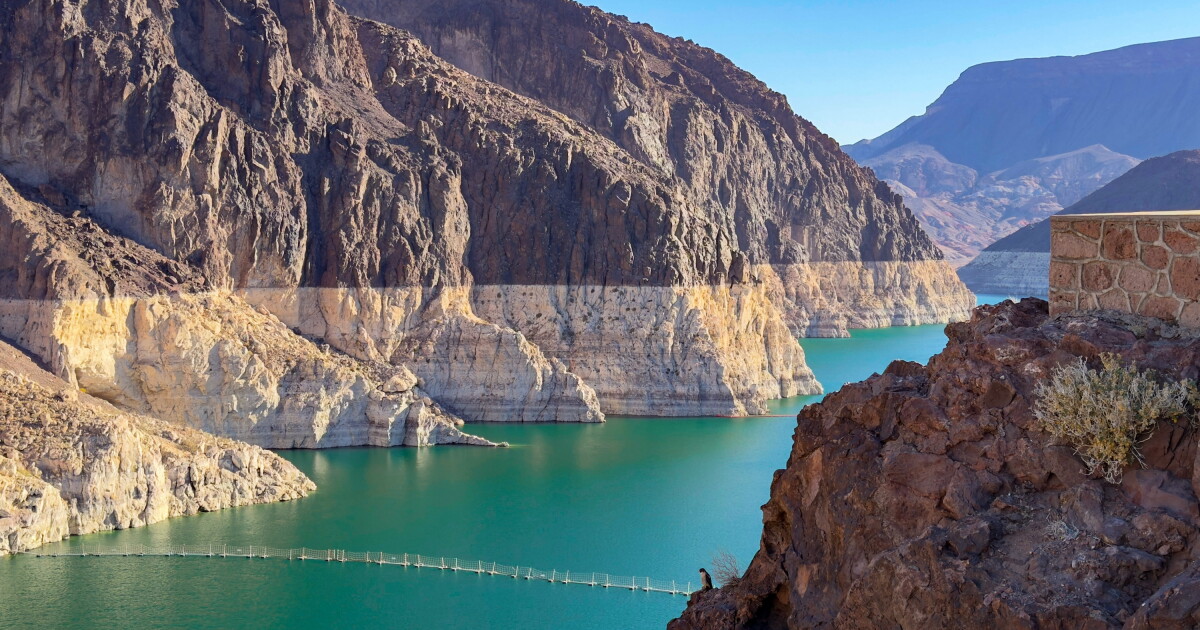
Arizona joins Nevada's suit against federal Colorado River cuts of 760,000 acre-feet a yearArizona's Department of Water Resources has moved to intervene in Nevada's lawsuit against the Interior Department's 10-year Colorado River plan, which would cut Arizona by 760,000 acre-feet a year in 2027 and 2028, about a quarter of its allocation, against 440,000 for California and 50,000 for Nevada, while the Upper Basin states face only voluntary contributions.
Circle of Blue (Arizona Luminaria) · Oct 21 · photo: Circle of Blue

Arizona's Department of Water Resources has moved to intervene in Nevada's lawsuit against the Interior Department's 10-year Colorado River plan, which would cut Arizona by 760,000 acre-feet a year in 2027 and 2028, about a quarter of its allocation, against 440,000 for California and 50,000 for Nevada, while the Upper Basin states face only voluntary contributions. Arizona argues the environmental review assumed the Upper Basin would make no meaningful reduction, leaving the whole shortfall to the Lower Basin; its water director said the cuts could effectively dry up the Central Arizona Project canal. Interior responded that litigation will not create a drop of water.

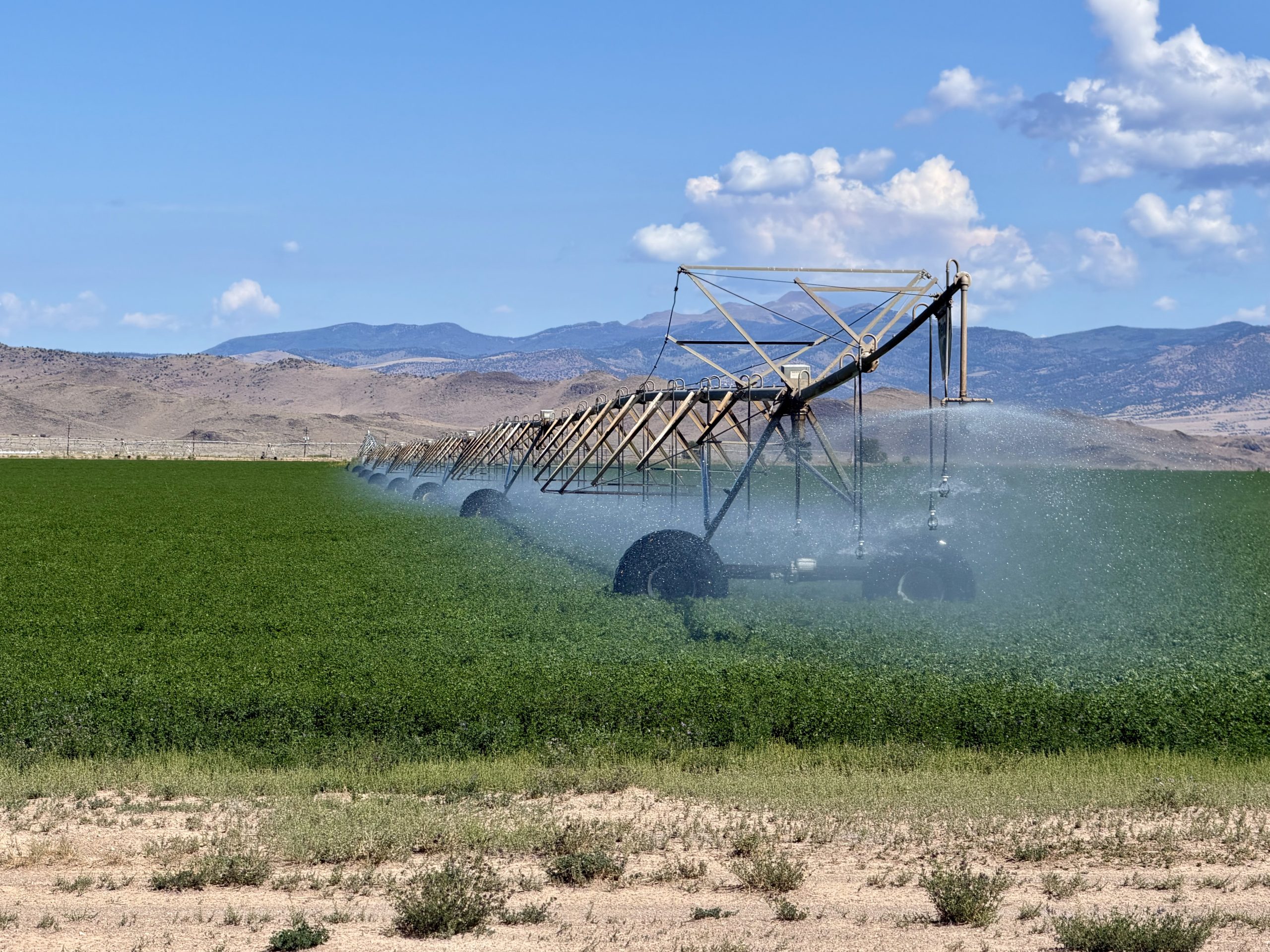
San Luis Valley aquifer hits record low after losing 72,000 acre-feet in a yearSeptember well tests show the unconfined aquifer under Colorado's San Luis Valley lost 71,921 acre-feet in a year, more than double the prior year's drop, leaving it a record 1.425 million acre-feet below its 1976 benchmark despite pumping cuts of about 100,000 acre-feet.
The Colorado Sun · Oct 21 · photo: The Colorado Sun

September well tests show the unconfined aquifer under Colorado's San Luis Valley lost 71,921 acre-feet in a year, more than double the prior year's drop, leaving it a record 1.425 million acre-feet below its 1976 benchmark despite pumping cuts of about 100,000 acre-feet. The state engineer said the decline confirms the current Subdistrict 1 plan is not working, and uncovered wells could be shut down as early as the 2027 irrigation season. An amended plan before the water court in Alamosa would raise pumping charges to as much as $500 an acre-foot from $150, which potato growers say would put many out of business.

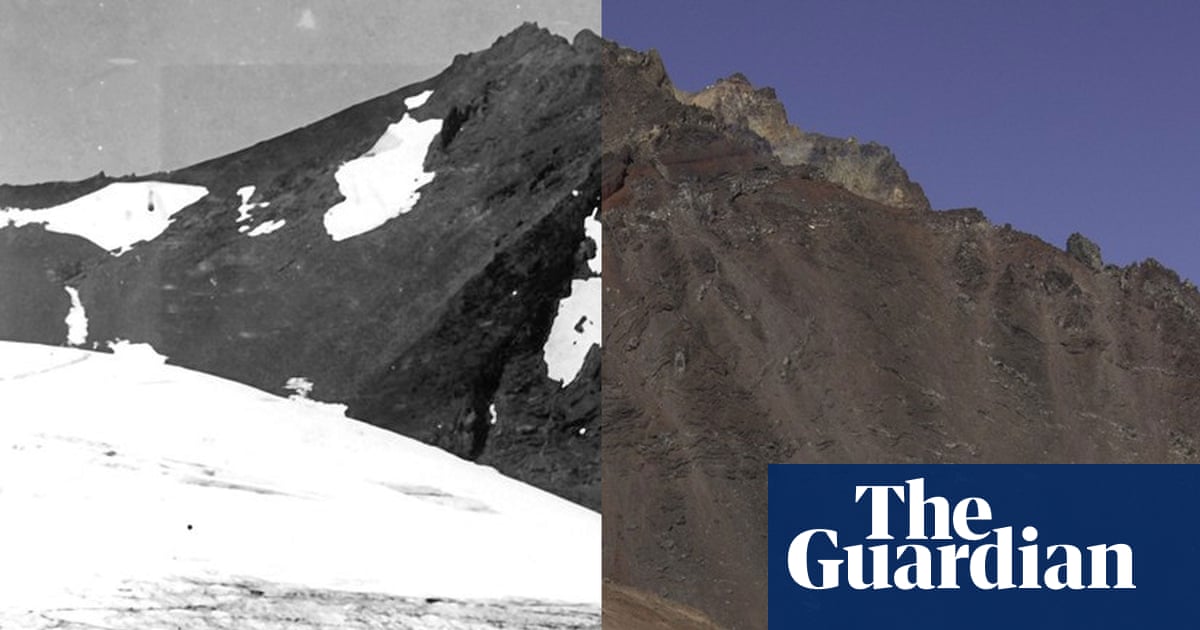
Study finds the US West has lost about 300 of its 1,450 glaciers since mid-centuryA study in the Proceedings of the National Academy of Sciences led by Portland State geographer Andrew Fountain, using satellite data and aerial photography across six states, finds about 300 of the more than 1,450 glaciers in the western US at mid-century have functionally disappeared, and total glacier area has shrunk by a third since the 1960s, with the loss accelerating.
The Guardian · Oct 23 · photo: The Guardian

A study in the Proceedings of the National Academy of Sciences led by Portland State geographer Andrew Fountain, using satellite data and aerial photography across six states, finds about 300 of the more than 1,450 glaciers in the western US at mid-century have functionally disappeared, and total glacier area has shrunk by a third since the 1960s, with the loss accelerating. Small, low and south-facing glaciers went fastest, and Fountain expects many more to be gone by 2100 from hotter summers and rain falling instead of snow. He describes the loss as tangible evidence of the shrinking snowpack the region drinks from.

Upper Colorado River Basin lost 4.6 trillion gallons of groundwater in the 2020–2022 droughtVirginia Tech researchers, publishing in Water Resources Research, used satellite gravity data from 2004 to 2023 to estimate that the Upper Colorado River Basin lost about 4.6 trillion gallons of groundwater during the 2020–2022 drought, roughly enough to fill Lake Powell halfway, with losses accelerating since 2019 and exceeding those of the drier Lower Basin.
KUNC (Mountain West News Bureau) · Oct 20 · photo: KUNC

Virginia Tech researchers, publishing in Water Resources Research, used satellite gravity data from 2004 to 2023 to estimate that the Upper Colorado River Basin lost about 4.6 trillion gallons of groundwater during the 2020–2022 drought, roughly enough to fill Lake Powell halfway, with losses accelerating since 2019 and exceeding those of the drier Lower Basin. Lead author Esther Oyedele said groundwater can no longer be treated as an unlimited backup, and co-author Susanna Werth warned the depletion feeds through to rivers and reservoirs that serve users who never pump.

Economics7 stories

USAA upsizes its latest cat bond 56% to $350 million, priced below guidanceUSAA secured $350 million of four-year multi-peril reinsurance through Residential Re 2026-2, up from a $225 million target, with all three tranches priced below initial guidance, Artemis reports.
Artemis.bm · Oct 23 · photo: Artemis.bm

USAA secured $350 million of four-year multi-peril reinsurance through Residential Re 2026-2, up from a $225 million target, with all three tranches priced below initial guidance, Artemis reports. The riskiest $100 million class, with a 6.04 percent expected loss, priced at a 7.25 percent spread against guidance of 8.5 to 9.25 percent, and the safest $150 million class at 2 percent.

World Food Programme buys parametric hurricane cover for Haiti and the Dominican RepublicThe UN World Food Programme has joined the CCRIF Caribbean risk pool as its first UN member and bought two parametric tropical-cyclone policies for the Dominican Republic and Haiti with a combined limit of $11.6 million, Artemis reports.
Artemis.bm · Oct 22 · photo: Artemis.bm

The UN World Food Programme has joined the CCRIF Caribbean risk pool as its first UN member and bought two parametric tropical-cyclone policies for the Dominican Republic and Haiti with a combined limit of $11.6 million, Artemis reports. The Dominican Republic is not itself a CCRIF member, so the policy creates payout capacity there that did not exist; Haiti has received more than $80 million from CCRIF since 2007. WFP says the payouts let it act without lengthy fundraising when a storm triggers the cover.

FEMA lets homeowners buy federal flood insurance online as coverage gaps widenFEMA has launched a tool at floodsmart.gov that lets residents of about 22,700 participating communities get a quote and buy a National Flood Insurance Program policy online, Insurance Journal reports.
Insurance Journal · Oct 23 · photo: Insurance Journal

FEMA has launched a tool at floodsmart.gov that lets residents of about 22,700 participating communities get a quote and buy a National Flood Insurance Program policy online, Insurance Journal reports. The move comes as a GAO report found 86 percent of at-risk properties lacked NFIP cover as of April, with policies down from 5.5 million in 2010 to 4.5 million this year, and with the program's authority due to expire in December.

Earlier today 4
Catastrophe bond issuance nears $20 billion for 2026, ahead of last year's record paceArtemis has tracked $18.92 billion of settled catastrophe bond issuance in 2026, and a $1.3 billion pipeline would carry the year past $20 billion around the week of November 9, about two weeks earlier than 2025 crossed the mark.
Artemis · Oct 23 · photo: Artemis

Artemis has tracked $18.92 billion of settled catastrophe bond issuance in 2026, and a $1.3 billion pipeline would carry the year past $20 billion around the week of November 9, about two weeks earlier than 2025 crossed the mark. Beating 2025's record of more than $25.6 billion would need another $6.7 billion in the fourth quarter, which would be the second-largest quarter ever. Artemis credits new sponsors, maturing bonds and fresh investor cash, with pipeline deals upsizing and pricing below guidance.

Why it matters: More capital competing to carry catastrophe risk keeps pushing its price down, which eases reinsurance costs for property insurers in the most exposed regions.

Trump and Vance tie FEMA disaster aid to votes at midterm ralliesThe New York Times reports that President Trump and Vice President Vance have dangled FEMA money before disaster-struck states at recent campaign rallies.
New York Times · Oct 22 · headline only

The New York Times reports that President Trump and Vice President Vance have dangled FEMA money before disaster-struck states at recent campaign rallies. North Carolina, still rebuilding from Hurricane Helene, is the case in point: at a September rally in Gastonia, Trump told the state's Republican Senate nominee that he would not send further relief if the nominee lost, then said he was joking, according to The New Republic.

Why it matters: Federal disaster aid is the backstop for uninsured physical losses; making it conditional on politics shifts that risk onto states and households.

World Bank approves $500 million disaster credit line for Mexico, its first Cat DDOThe World Bank approved $500 million for Mexico's first Catastrophe Deferred Drawdown Option, a three-year contingent credit line the government can draw almost immediately once a disaster or health emergency is declared.
Artemis · Oct 22 · photo: Artemis

The World Bank approved $500 million for Mexico's first Catastrophe Deferred Drawdown Option, a three-year contingent credit line the government can draw almost immediately once a disaster or health emergency is declared. It adds a layer beneath Mexico's two 2024 World Bank cat bonds, $420 million and $175 million, and its parametric insurance, doubled to about $575 million for 2026–27. None of those triggered this year, though Hurricanes Polo and Simon and a magnitude 7.3 earthquake struck, which is the gap a credit line fills.

Munich Re lifts 2026 profit target to €6.6 billion on below-average catastrophe lossesMunich Re reported a preliminary third-quarter net profit of about €1.7 billion, against analyst consensus of €1.48 billion, and raised its full-year target to €6.6 billion from €6.3 billion.
Reinsurance News · Oct 23 · photo: Reinsurance News

Munich Re reported a preliminary third-quarter net profit of about €1.7 billion, against analyst consensus of €1.48 billion, and raised its full-year target to €6.6 billion from €6.3 billion. It credited below-average major-loss spending in property-casualty reinsurance and a strong investment result, in a quarter Artemis notes has seen a loss-free US hurricane season so far. Final results with the loss figures are due November 12.

Why it matters: A quiet catastrophe year swells reinsurer profits and capital, which feeds into softer pricing at the January renewals.

From the desk

Run: ok. 31 of 31 feeds fetched, 159 items in window (3 collapsed by the tool); 20 repeats of the 17:32 run's stories dropped, 81 deprioritized, 10 shortlisted, 10 read or attempted, 8 stories kept, none headline-only. This is the evening run; the 17:32 run's stories are in the archive.

Degraded sources: none failed. nature.com returned a challenge page, so a Nature Climate Change paper on southern Africa's rainfall extremes could not be read and did not run.

Proposals: