personalpaper

Aviation History & the Air and Space Museum

Monday, November 2, 2026

Top stories

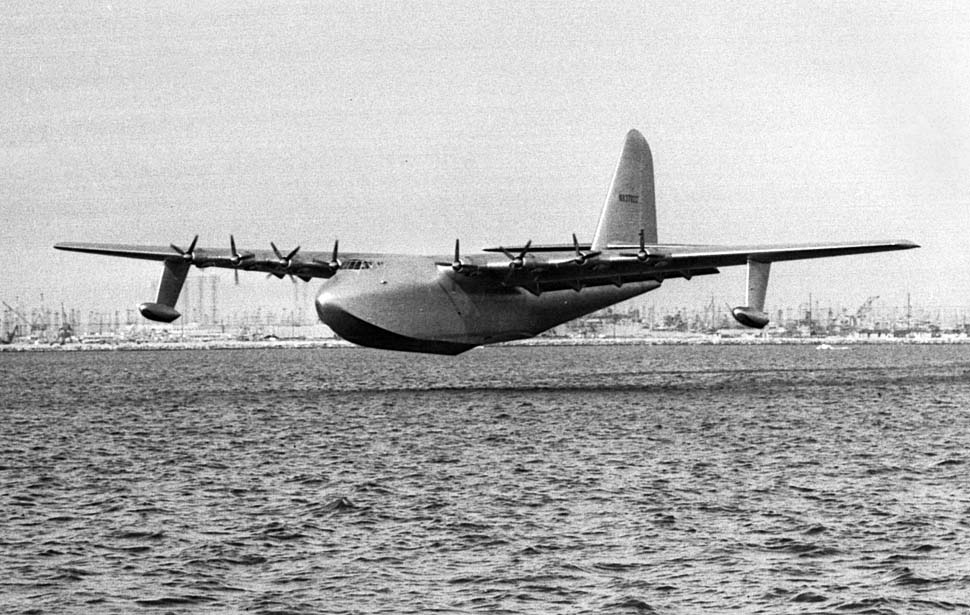
  1. Howard Hughes flies the wooden H-4 Hercules flying boat on its only flightThis day in aviation historyIn 1947, on 2 November, Howard Hughes took the H-4 Hercules off the water of the Los Angeles harbor at Long Beach for its first and only flight, covering nearly a mile at about 135 mph without climbing out of ground effect.
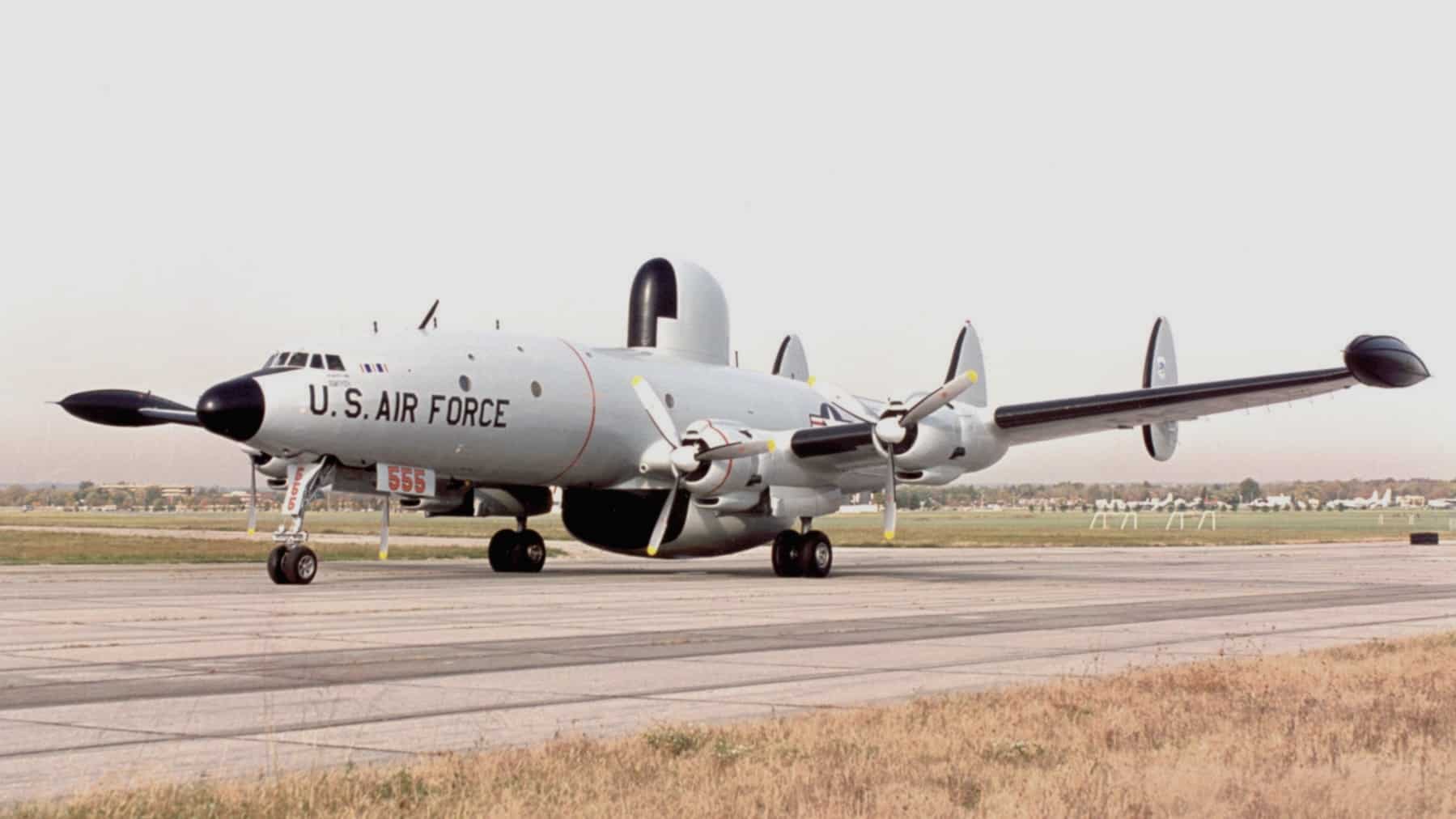
  2. The Aviationist explains why radomes so often wore a different color from the airframeAviation heritageThe Aviationist traces airborne radar from a Handley Page Heyford that carried a set in the fall of 1936 to the Blenheim night fighters Hugh Dowding chose for conversion, and the word radome, first recorded in 1944.

This day in aviation history1 story

Howard Hughes flies the wooden H-4 Hercules flying boat on its only flightIn 1947, on 2 November, Howard Hughes took the H-4 Hercules off the water of the Los Angeles harbor at Long Beach for its first and only flight, covering nearly a mile at about 135 mph without climbing out of ground effect.
Vintage Aviation News · Nov 2 · photo: Vintage Aviation News

In 1947, on 2 November, Howard Hughes took the H-4 Hercules off the water of the Los Angeles harbor at Long Beach for its first and only flight, covering nearly a mile at about 135 mph without climbing out of ground effect. The sole H-4 was a wartime Hughes and Henry Kaiser project for a transatlantic troop transport, built of birch by the Duramold process to spare aluminum, and finished too late for the war. It spans 319 feet 11 inches and was driven by eight 3,000 hp Pratt & Whitney R-4360 Wasp Majors. The airframe survives at the Evergreen Aviation and Space Museum in McMinnville, Oregon.
Aviation heritage1 story

The Aviationist explains why radomes so often wore a different color from the airframeThe Aviationist traces airborne radar from a Handley Page Heyford that carried a set in the fall of 1936 to the Blenheim night fighters Hugh Dowding chose for conversion, and the word radome, first recorded in 1944.
The Aviationist · Nov 1 · photo: The Aviationist

The Aviationist traces airborne radar from a Handley Page Heyford that carried a set in the fall of 1936 to the Blenheim night fighters Hugh Dowding chose for conversion, and the word radome, first recorded in 1944. Early radomes were laminated wood or fiberglass coated in black rubber, neoprene and later black paint, because the lead-based paints of the day carried metallic compounds that blocked the signal; the black also told ground crews not to paint over them. The piece points to the black noses of early gray F-16As and the EC-121D Warning Star, and notes that composite and paint improvements have made black radomes rarer, though the color survives on preserved aircraft and retro liveries.

Why it matters: A docent's answer for visitors who ask why a Cold War jet on the floor has a nose of a different color.

From the desk

Run: ok; 11 feeds fetched, none failed; 19 items in window; 2 stories kept; 3 repeats dropped.

Degraded sources: none failed. This Day in Aviation had not yet posted for 2 November at 05:10 ET (archive page 404), so This day carries one story. The Air and Space Museum's searches surfaced no museum news in the window; the section is omitted.

Coverage: the Oschin Center JPL gallery, the Dragon Rapide N683DH profile and the Mighty Eighth's Ortiz talk were not read: the coverage step was handed truncated links that returned 404, and the fetch budget was spent. Recorded as not kept on the cuts page.

Proposals: none today.