 Volunteers plan to dismantle Nimrod XV232 and truck it from Coventry to ManstonThe volunteer Nimrod Preservation Group is preparing to dismantle Nimrod MR.2 XV232 at Coventry Airport, which is closing, and move it by road to the RAF Manston History Museum in Kent after assessments ruled out a ferry flight.
Vintage Aviation News · Oct 30 · photo: Vintage Aviation NewsThe volunteer Nimrod Preservation Group is preparing to dismantle Nimrod MR.2 XV232 at Coventry Airport, which is closing, and move it by road to the RAF Manston History Museum in Kent after assessments ruled out a ferry flight. The four Rolls-Royce Spey engines, the tail and then the wings must come off, and the work needs cradles, cranes and specialist contractors; supporters have given more than £2,300 so far, well short of the cost. Built in 1969, XV232 flew an 18-hour-50-minute, air-refueled reconnaissance mission of 8,453 miles in the 1982 Falklands War.
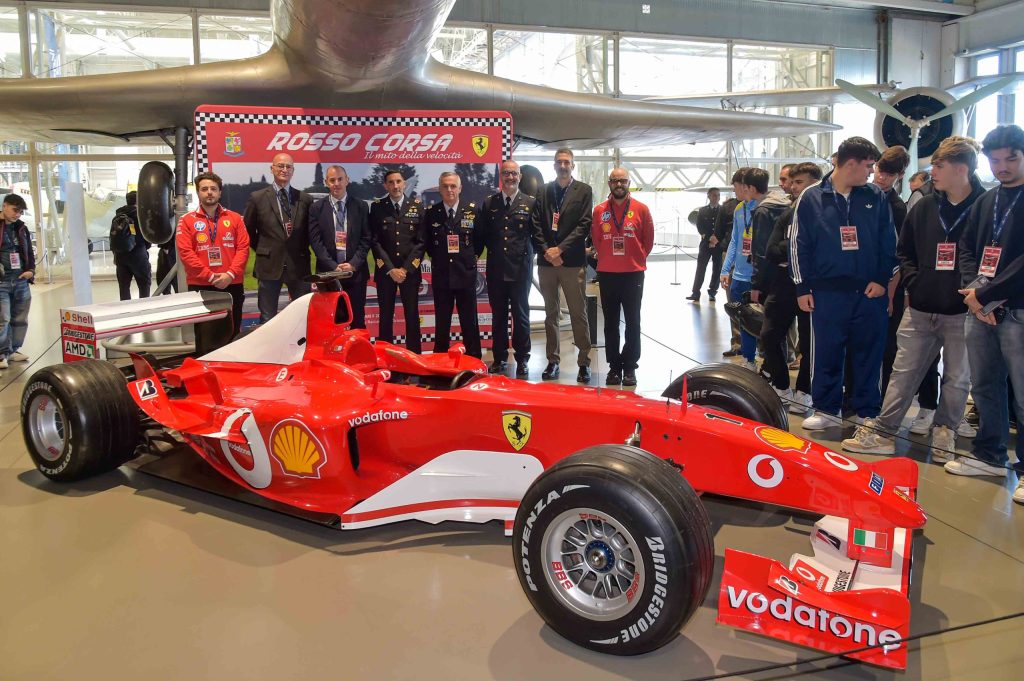 Italian Air Force Museum pairs Schumacher's Ferrari with record seaplanes in Rosso CorsaThe Italian Air Force Museum at Vigna di Valle, on Lake Bracciano near Rome, is showing Michael Schumacher's Ferrari F2003-GA in "Rosso Corsa," an exhibition on speed that runs until 15 November.
Vintage Aviation News · Oct 29 · photo: Vintage Aviation NewsThe Italian Air Force Museum at Vigna di Valle, on Lake Bracciano near Rome, is showing Michael Schumacher's Ferrari F2003-GA in "Rosso Corsa," an exhibition on speed that runs until 15 November. The car recalls its December 2003 acceleration race at Grosseto against a Eurofighter Typhoon flown by test pilot Maurizio Cheli, and the show opened on 23 October, the anniversary of Francesco Agello's 1934 flight of 709.2 km/h in the Macchi-Castoldi M.C.72, still the piston seaplane record; the M.C.72 is preserved there. The 14-stop route also takes in Schneider Trophy seaplanes, the Campini-Caproni CC.2, the S.79 and the F-104.
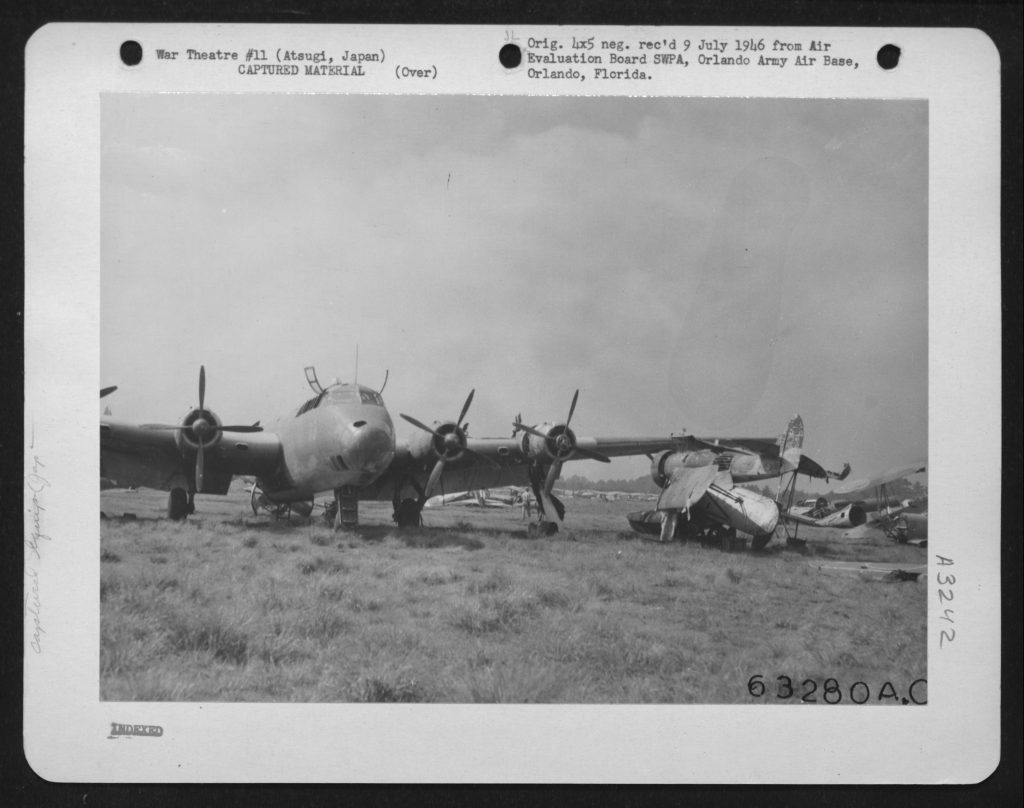 Japan's G5N Shinzan, a bomber built from a bought DC-4E, failed on weight and enginesVintage Aviation News recounts how the Imperial Japanese Navy secretly bought Douglas's sole DC-4E prototype in 1939, passed it through Japan Air Lines to Nakajima for study, and used it as the basis of the four-engine G5N Shinzan long-range bomber.
Vintage Aviation News · Oct 30 · photo: Vintage Aviation NewsVintage Aviation News recounts how the Imperial Japanese Navy secretly bought Douglas's sole DC-4E prototype in 1939, passed it through Japan Air Lines to Nakajima for study, and used it as the basis of the four-engine G5N Shinzan long-range bomber. The first prototype flew on 8 April 1941 but proved overweight and underpowered, and re-engined G5N2s fared no better; six were built, four ending as transports under the Allied code name "Liz."
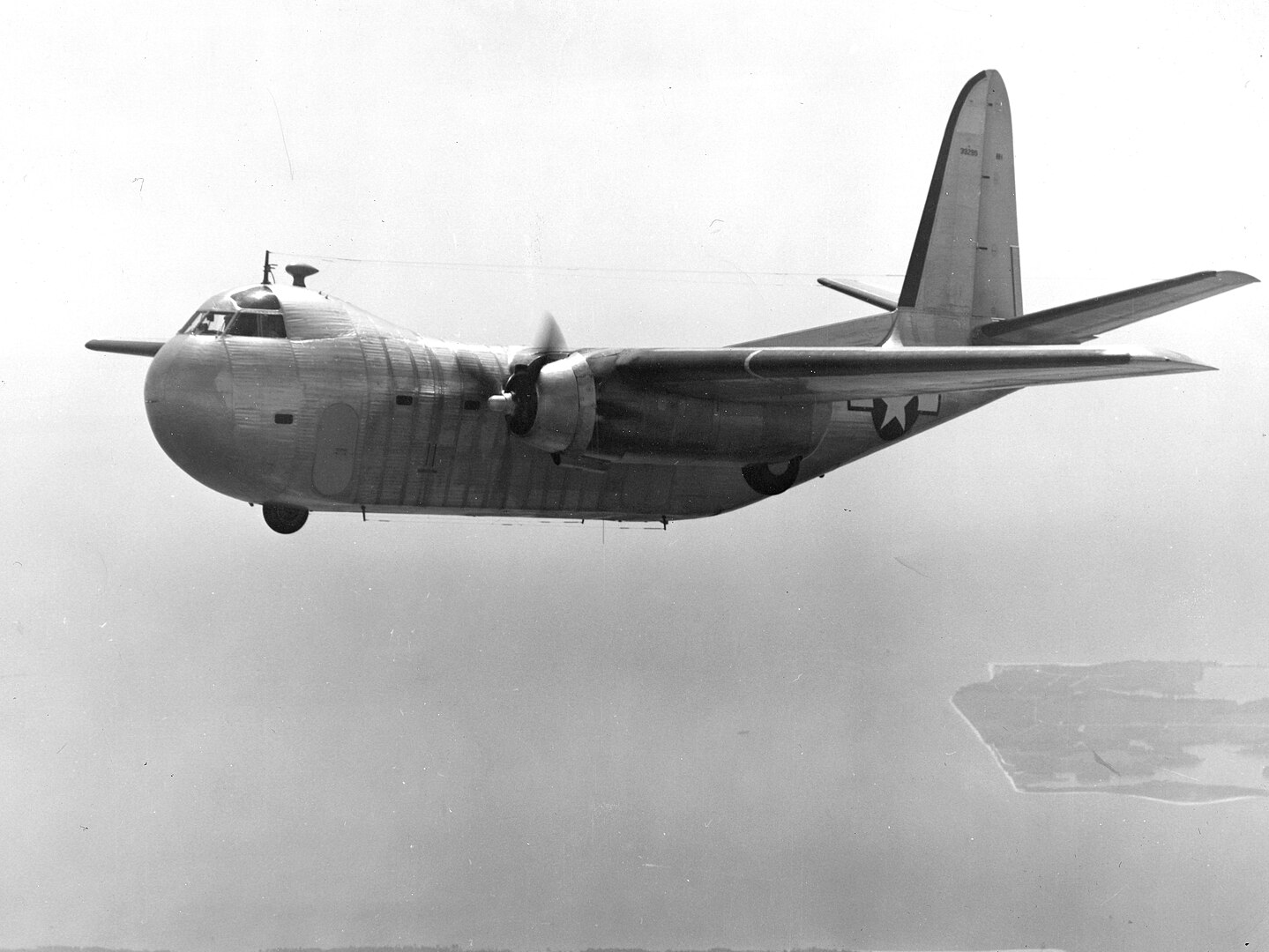 Budd's stainless-steel RB-1 Conestoga cargo plane makes its first flightOn 31 October 1943 the Budd RB-1 Conestoga, a twin-engine Navy cargo plane built of stainless steel by Philadelphia's Budd Company, flew for the first time.