personalpaper

Aviation History & the Air and Space Museum

Tuesday, October 27, 2026

Top stories

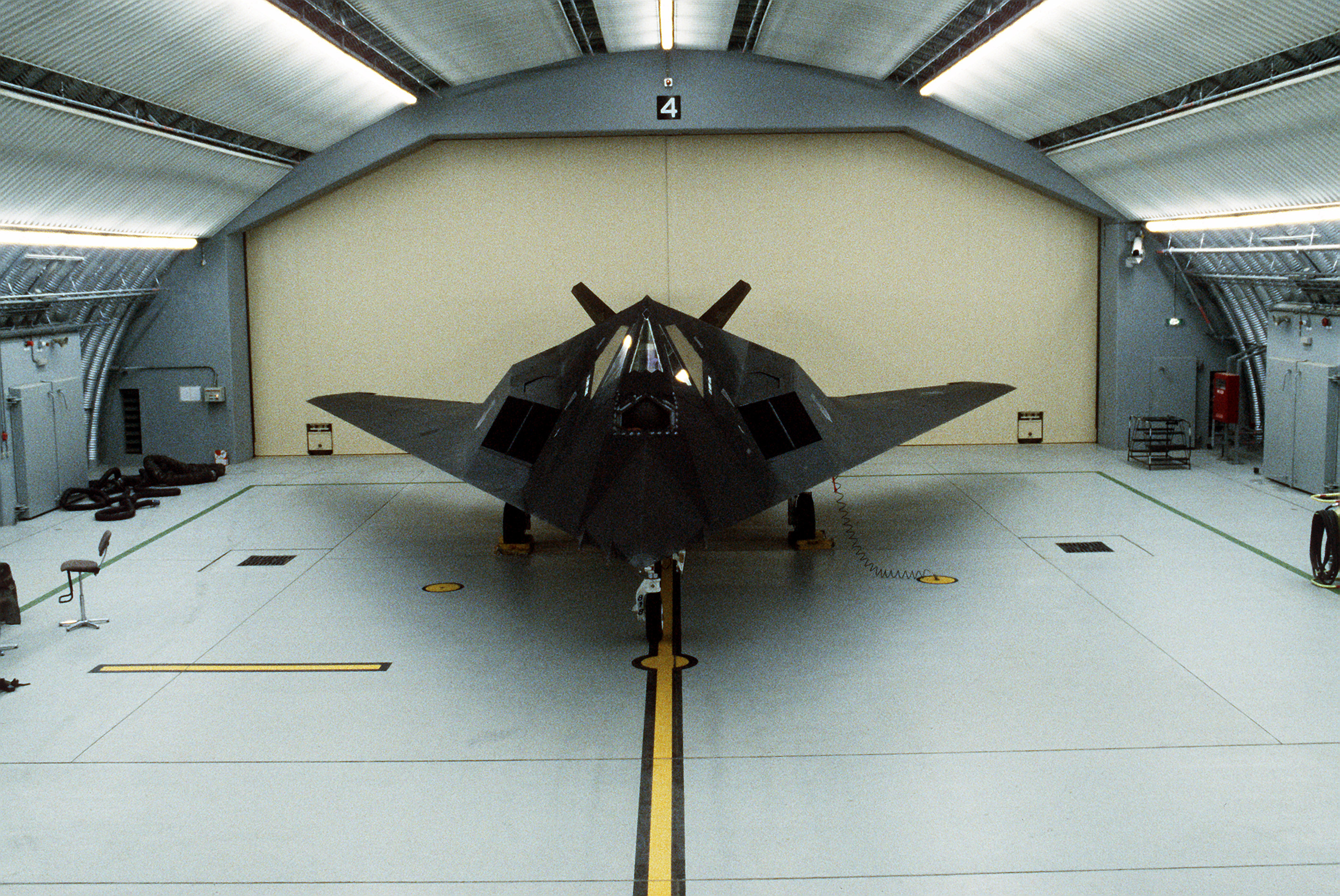
  1. The combat F-117A "Overachiever" goes on public display at the Udvar-Hazy CenterThe Air and Space MuseumThe National Air and Space Museum put F-117A Nighthawk 85-0818, "The Overachiever," on public display at the Steven F.
  2. William Barker fights a Fokker formation alone in a Sopwith Snipe and earns the Victoria CrossThis day in aviation historyIn 1918, on the morning of 27 October, Major William G.
  3. CIA restores the Mi-17 that carried its first team into Afghanistan after 9/11Aviation heritageThe CIA has finished a roughly year-long restoration of the Mi-17 helicopter that flew its JAWBREAKER team into the Panjshir Valley on 26 September 2001, timed to the mission's 25th anniversary, Vintage Aviation News reports, citing Defence Blog and CBS News.

The Air and Space Museum1 story

The combat F-117A "Overachiever" goes on public display at the Udvar-Hazy CenterThe National Air and Space Museum put F-117A Nighthawk 85-0818, "The Overachiever," on public display at the Steven F.
AVweb · Oct 23 · photo: AVweb

The National Air and Space Museum put F-117A Nighthawk 85-0818, "The Overachiever," on public display at the Steven F. Udvar-Hazy Center on Wednesday, 21 October, AVweb reported, two weeks after a C-5M delivered it to Dulles. It is the first F-117 in the Smithsonian collection and the only one known to have flown combat in all four of the type's conflicts, from Panama in 1989 to Iraq in 2003. Lockheed Martin's Skunk Works demilitarized it at Palmdale, removing classified equipment and the original radar-absorbing coating, before the wings and tail were detached for shipment and refitted at the museum.

This day in aviation history3 stories

William Barker fights a Fokker formation alone in a Sopwith Snipe and earns the Victoria CrossIn 1918, on the morning of 27 October, Major William G.
This Day in Aviation · Oct 27 · photo: This Day in Aviation

In 1918, on the morning of 27 October, Major William G. Barker of No. 201 Squadron RAF fought a large formation of Fokkers over the Forêt de Mormal in a Sopwith Snipe 7F.1, serial E8102. Wounded in both thighs and with his left elbow shattered, and passing out more than once, he destroyed four enemy aircraft, three in flames, bringing his total to 50, before crash-landing inside Allied lines. The action won him the Victoria Cross, and he remains Canada's most decorated serviceman; he died in 1930 in a Fairchild KR-21 crash at Ottawa.

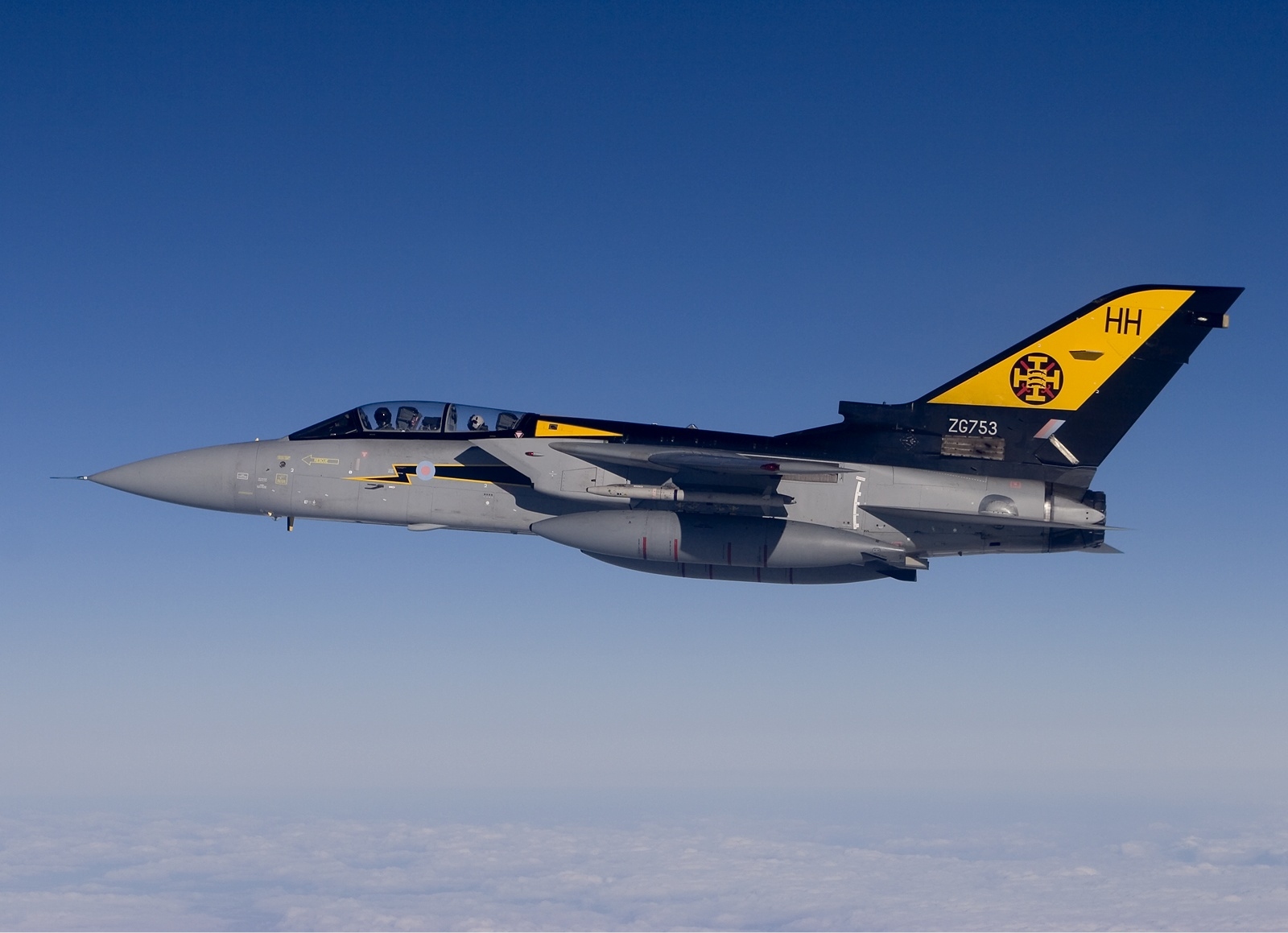
Panavia's Tornado ADV interceptor makes its first flightIn 1979, on 27 October, the Panavia Tornado ADV, the Air Defence Variant of the swing-wing Tornado strike aircraft, flew for the first time.
Vintage Aviation News · Oct 27 · photo: Vintage Aviation News

In 1979, on 27 October, the Panavia Tornado ADV, the Air Defence Variant of the swing-wing Tornado strike aircraft, flew for the first time. Begun in 1976 to intercept Soviet bombers over the North Sea, it added a longer-range radar and beyond-visual-range missiles; the RAF took the Tornado F2 into service in 1986 and later flew the F3, rated at Mach 2.2. Panavia built 194 ADVs for the RAF, the Royal Saudi Air Force and the Italian Air Force, and the last were retired in the early 2010s.

Lieutenant Russell Maughan downs two German aircraft in a SPAD XIII near SommeranceIn 1918, on 27 October, 1st Lt.
This Day in Aviation · Oct 27 · photo: This Day in Aviation

In 1918, on 27 October, 1st Lt. Russell L. Maughan of the U.S. 138th Aero Squadron attacked a Fokker near Sommerance, France, in a SPAD S.XIII, shot down one of four attackers that came at him from behind, then downed another diving on American trenches on his way home; the action earned him the Distinguished Service Cross. Maughan went on to win the 1922 Pulitzer Trophy race in a Curtiss R-6 at about 206 mph, and on 23 June 1924 flew a Curtiss PW-8 from New York to San Francisco in a single day, the Dawn-to-Dusk Flight.

Aviation heritage3 stories

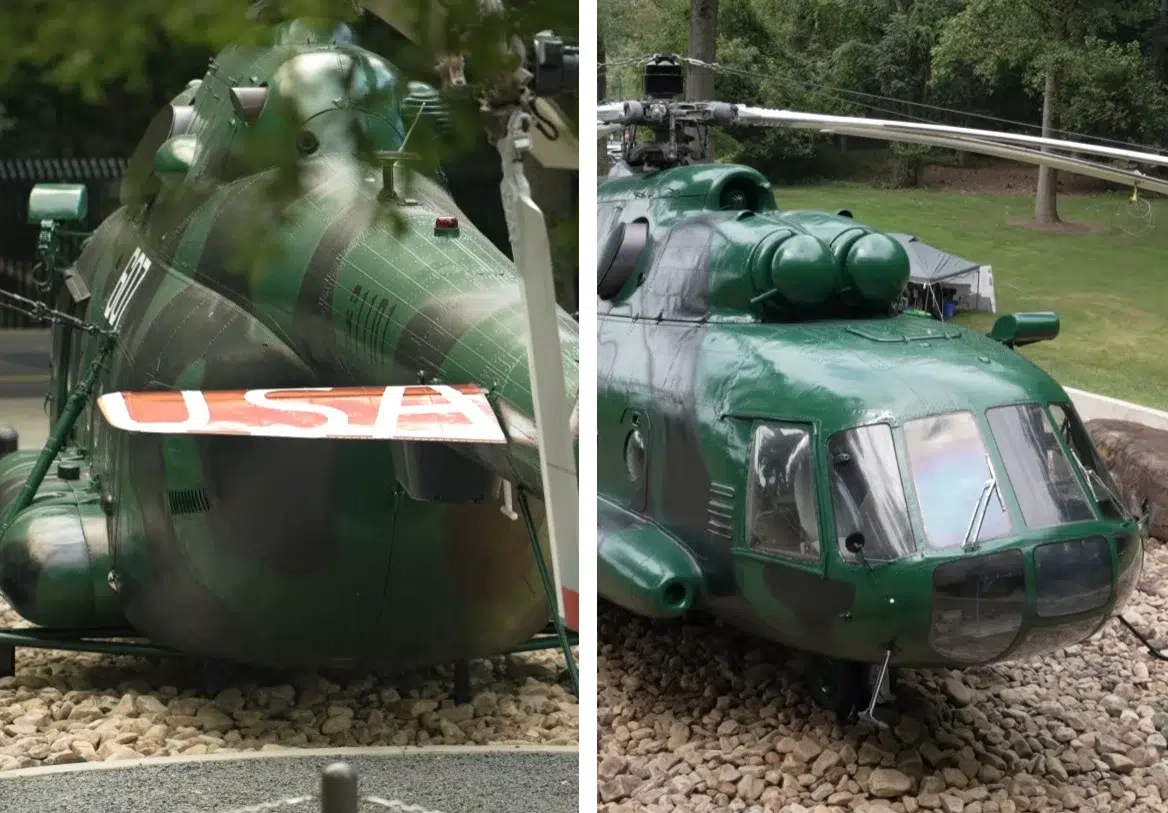
CIA restores the Mi-17 that carried its first team into Afghanistan after 9/11The CIA has finished a roughly year-long restoration of the Mi-17 helicopter that flew its JAWBREAKER team into the Panjshir Valley on 26 September 2001, timed to the mission's 25th anniversary, Vintage Aviation News reports, citing Defence Blog and CBS News.
Vintage Aviation News · Oct 26 · photo: Vintage Aviation News

The CIA has finished a roughly year-long restoration of the Mi-17 helicopter that flew its JAWBREAKER team into the Panjshir Valley on 26 September 2001, timed to the mission's 25th anniversary, Vintage Aviation News reports, citing Defence Blog and CBS News. Seven CIA officers led by Gary Schroen crossed the Hindu Kush at about 14,500 feet in the aircraft, which went on to fly more than 300 missions before retiring in 2012. Displayed outdoors at CIA headquarters in Langley since its 2019 dedication, it had faded and let in animals; restorers sealed the fuselage and repainted its 2001 camouflage, including the number 607. The site is not open to the public.
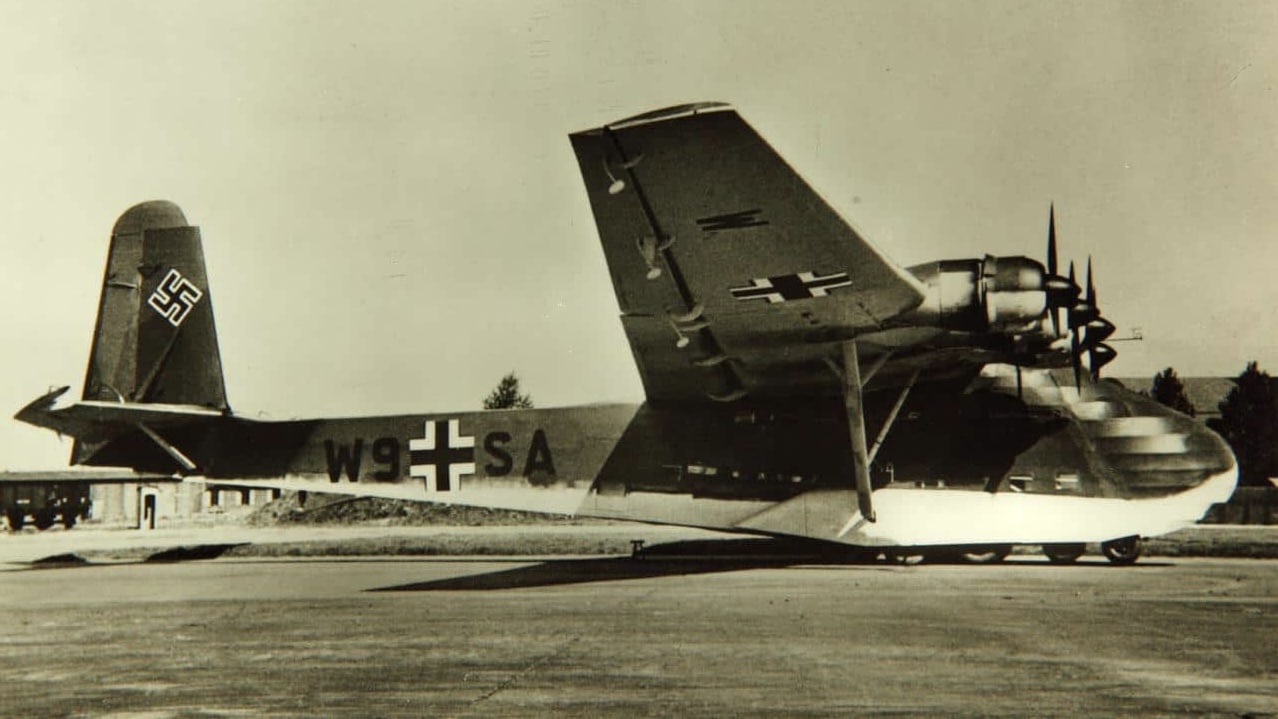
The Aviationist traces the Me 323 Gigant from invasion glider to six-engine transportA history in The Aviationist follows the Messerschmitt Me 323 back to the Me 321 glider, ordered in October 1940 for the planned invasion of Britain to carry a Panzer IV, an 88 mm gun or 100 troops; it first flew on 25 February 1941 behind a Ju 90.
The Aviationist · Oct 26 · photo: The Aviationist

A history in The Aviationist follows the Messerschmitt Me 323 back to the Me 321 glider, ordered in October 1940 for the planned invasion of Britain to carry a Panzer IV, an 88 mm gun or 100 troops; it first flew on 25 February 1941 behind a Ju 90. Towing it took an He 111Z Zwilling or a three-Bf 110 "Troikaschlepp," and one towing accident killed 129, so Messerschmitt fitted French Gnome-Rhône 14N engines, four on the first prototype and six on the second. Production Me 323Ds were delivered by September 1942, with clamshell nose doors, multi-wheel gear for rough fields and, on the E-2, gun turrets.
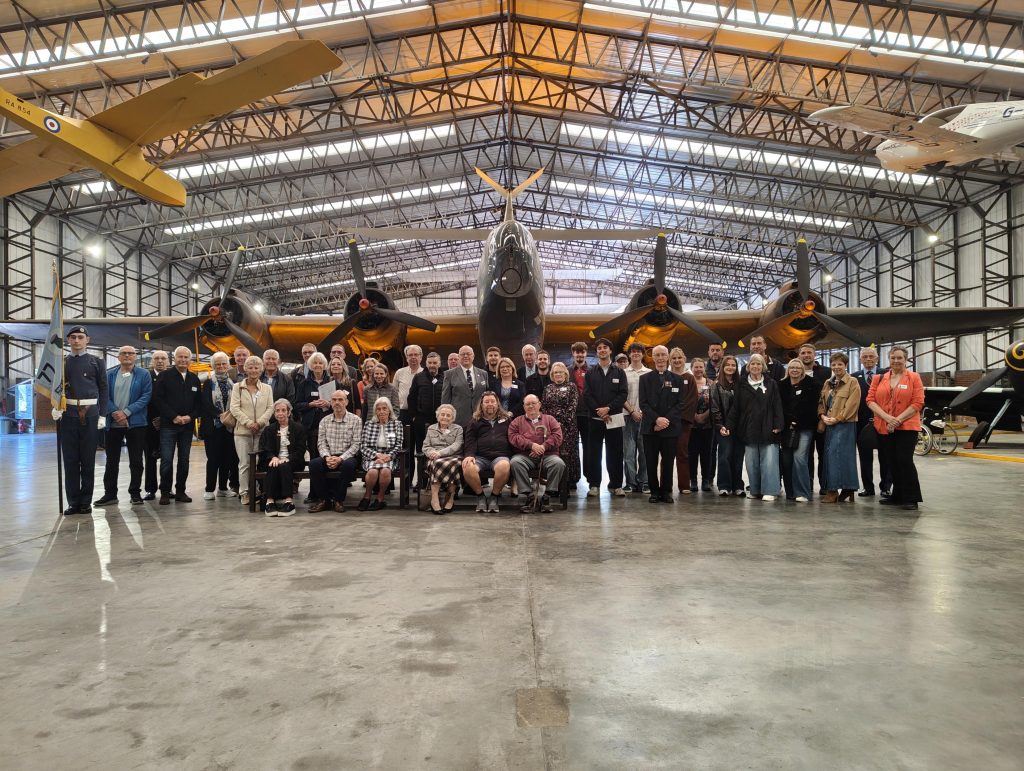
Yorkshire Air Museum hosts more than 40 descendants of RAF 77 Squadron Halifax crewsMore than 40 descendants of RAF 77 Squadron veterans gathered on 3 October at the Yorkshire Air Museum at Elvington, the squadron's Halifax bomber base from 1942 to 1944, for a chapel service and a ceremony at its memorial, Vintage Aviation News reported on 26 October.
Vintage Aviation News · Oct 26 · photo: Vintage Aviation News

More than 40 descendants of RAF 77 Squadron veterans gathered on 3 October at the Yorkshire Air Museum at Elvington, the squadron's Halifax bomber base from 1942 to 1944, for a chapel service and a ceremony at its memorial, Vintage Aviation News reported on 26 October. Some climbed inside the museum's Halifax; others toured the logbooks, photographs and uniforms in its collection. The 77 Squadron Association organised the day for families of a squadron that drew aircrew from Britain, Canada, Australia and New Zealand and took heavy losses.
From the desk

Run: ok. 11 feeds fetched, none failed; 39 items in window, none collapsed by the tool; 9 shortlisted and read; 7 stories kept; 5 repeats dropped.

Degraded sources: none. This Day in Aviation had two posts out at run time, both for 27 October 1918; Vintage Aviation News's two-years-earlier archive held no Today In Aviation History column, so the this-day section has three stories.

Notes: the F-117 story is a development of the 25 October report: the jet went on public display at the Udvar-Hazy Center on 21 October, per AVweb. The Florida Today item on Neil Armstrong's training jacket is a Titusville American Space Museum auction with no Smithsonian connection and did not run.